
Get the sample you need for the next step
An extraction approach needs to match both the starting material and the downstream workflow. The supplied SB3 series material includes cell lysis and protein extraction as application contexts.
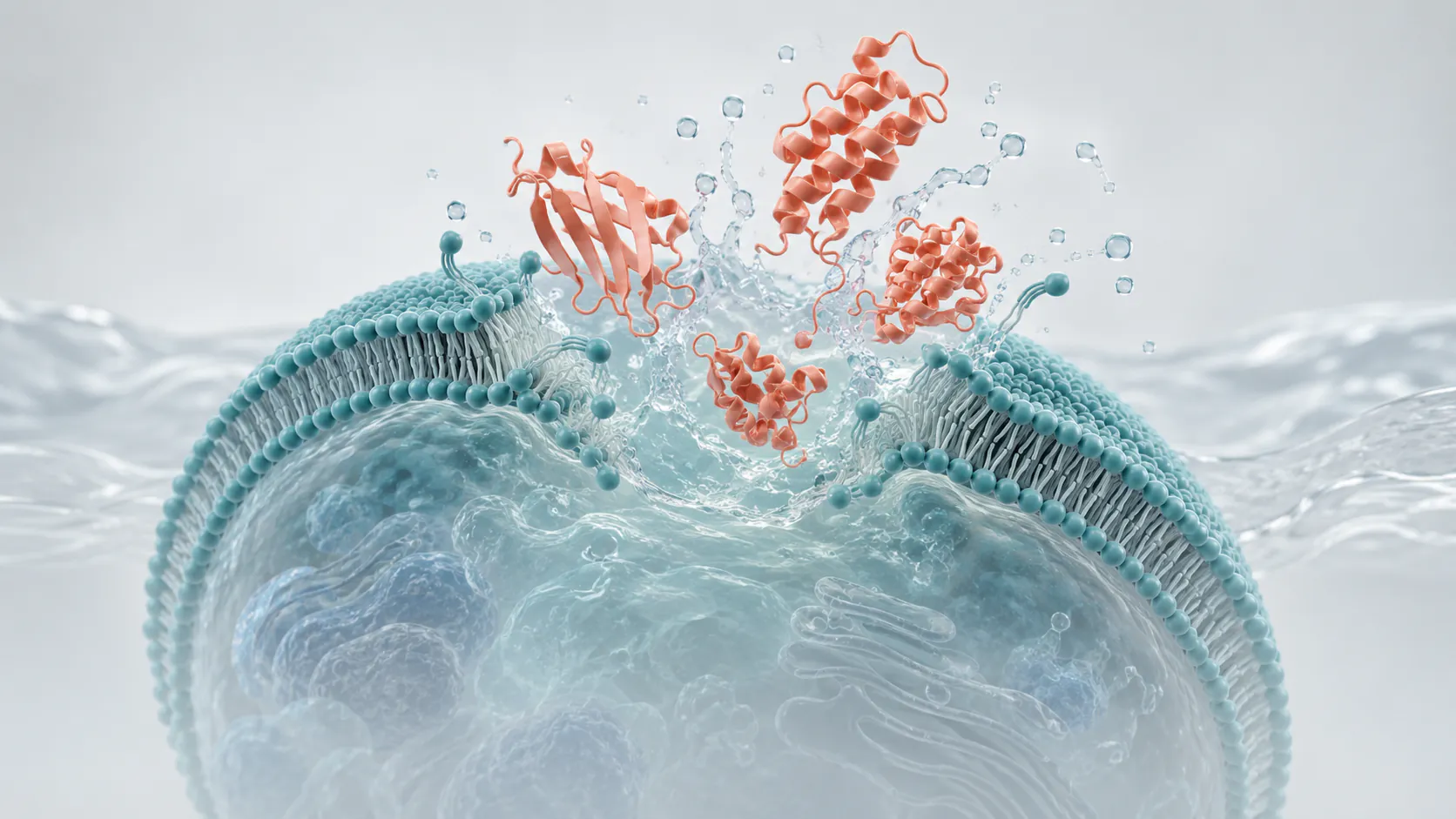
Start with the sample and the next experiment. Explore the SB3 series as candidates for a method-specific extraction evaluation.
Conceptual illustration; not experimental data.
Series-level context
An extraction approach needs to match both the starting material and the downstream workflow. The supplied SB3 series material includes cell lysis and protein extraction as application contexts.
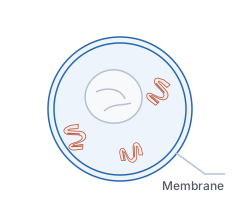
Identify the cell or tissue source and the protein fraction you need.
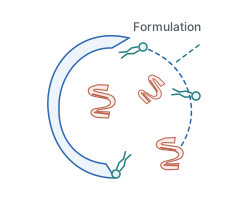
Evaluate disruption and extraction conditions together; there is no universal formulation.
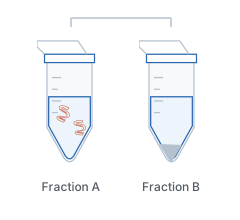
Select the intended fraction. Clarification or further preparation may be needed.
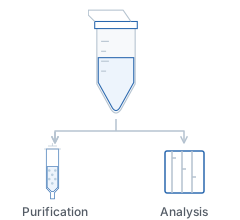
Assess the complete method, including any cleanup or reagent-removal step.
Conceptual workflow. The disruption method, target fraction and formulation depend on the sample and downstream method.
Selection & validation
Use product identity and the required specification to build a shortlist, then establish compatibility in your own sample and method.
Products & support
These three SB3 catalogue entries belong to the series described above. Review their identities and grade options as candidates for evaluation, not as prequalified extraction reagents.
CAS 14933-08-5
Standard / Super (High Purity) / Ultimate (Cation Controled)
CAS 14933-09-6
Standard / Super (High Purity) / Ultimate (Cation Controled)
CAS 2281-11-0
Standard / Super (High Purity) / Ultimate (Cation Controled)
Tell us the sample source, target fraction, downstream method, candidate product and required documentation. Ask about the current specification and sample availability for your evaluation.
Share the product, specification, or workflow you are evaluating.