
Plan around the target, not just the extraction
Membrane-protein work connects several processing steps. The supplied SB3 series material identifies extraction, solubilization, stabilization and purification as application contexts to evaluate.
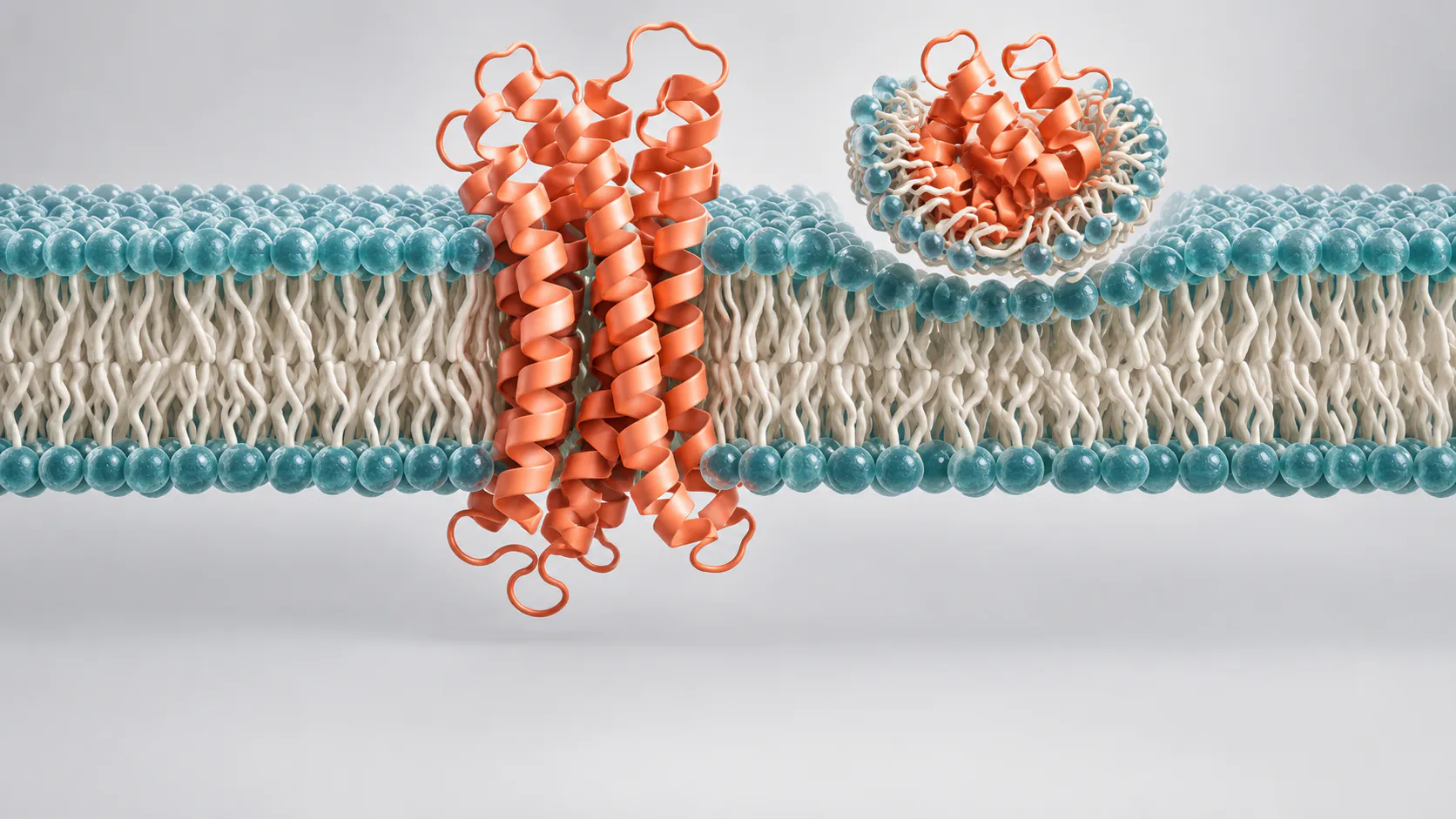
Evaluate material choices around the target protein and its next processing step, from extraction and solubilization to purification.
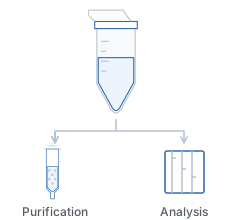
Conceptual illustration; not experimental data.
Series-level context
Membrane-protein work connects several processing steps. The supplied SB3 series material identifies extraction, solubilization, stabilization and purification as application contexts to evaluate.
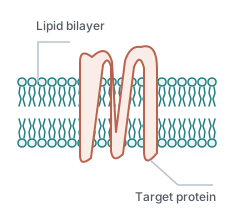
Define the membrane source and the target protein or fraction.
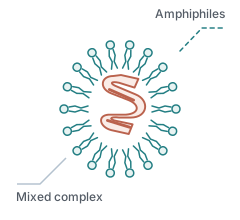
Compare candidate conditions for the specific membrane and target.
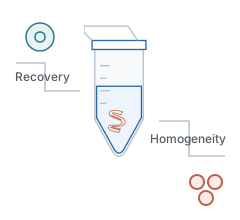
Measure recovery and sample homogeneity at the stage where the material will be used.
Include activity or stability measurements when the intended use requires them.
Conceptual detergent-based route, not an exact molecular structure. Solubilization does not establish retained activity or stability.
Selection & validation
Build a controlled comparison of the available SB3 identities and specifications. The shared series name does not make them interchangeable in a particular protein workflow.
Products & support
Explore the three related catalogue entries and their available grades. Confirm the specification and evaluation requirements before selecting a material for your target protein.
CAS 14933-08-5
Standard / Super (High Purity) / Ultimate (Cation Controled)
CAS 14933-09-6
Standard / Super (High Purity) / Ultimate (Cation Controled)
CAS 2281-11-0
Standard / Super (High Purity) / Ultimate (Cation Controled)
Share the target protein or membrane source, processing stage, buffer constraints, downstream method and required specification. Include your evaluation criteria when asking about samples or technical documentation.
Share the product, specification, or workflow you are evaluating.