
Prepare for the separation you intend to run
Sample preparation and separation conditions need to be considered together. The supplied SB3 series material lists 2D electrophoresis of membrane and hydrophobic proteins as an application context.
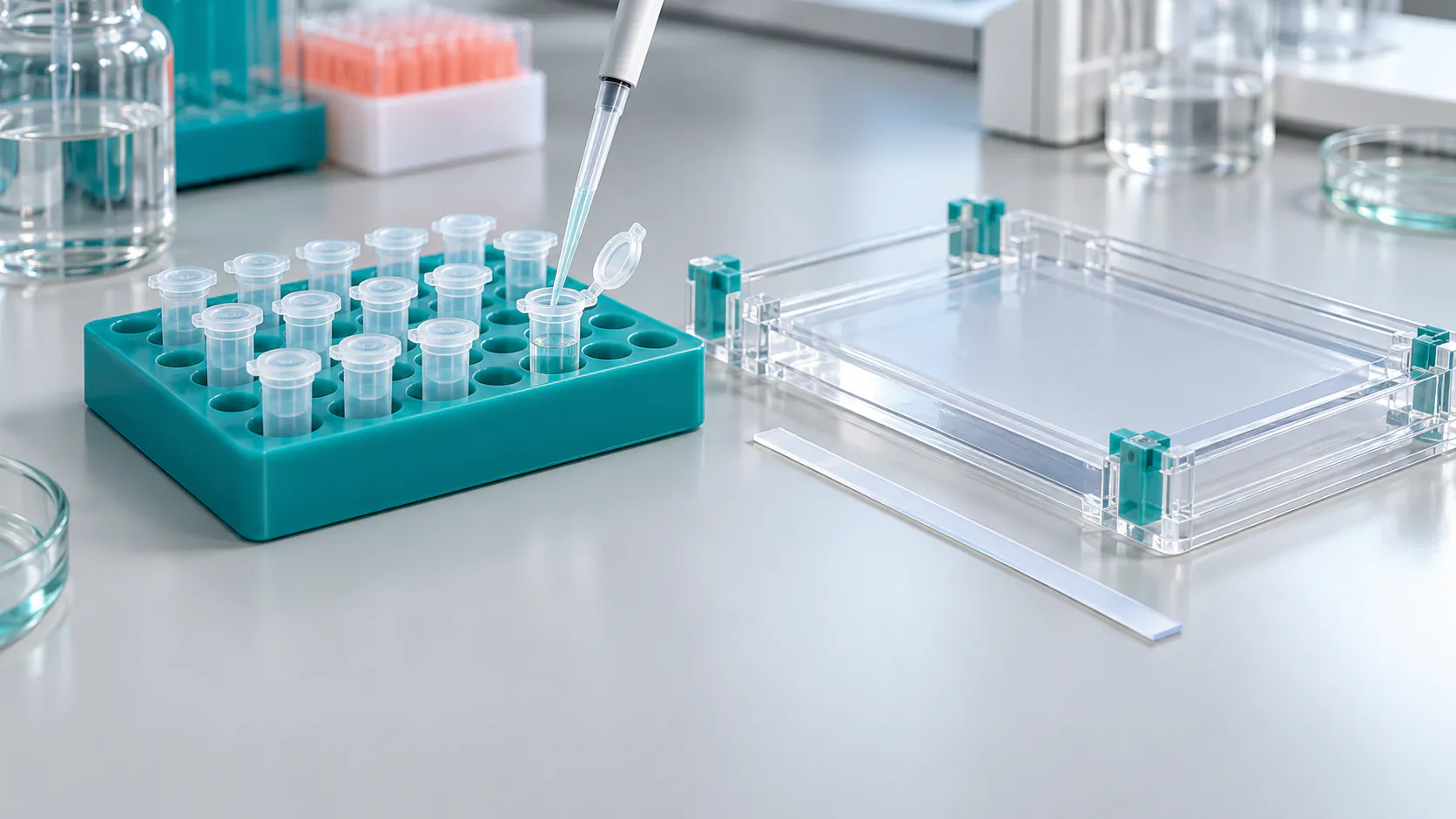
Prepare a method-specific evaluation for membrane or hydrophobic protein samples, with solubilization and electrophoresis compatibility considered together.
Conceptual illustration; not experimental data.
Series-level context
Sample preparation and separation conditions need to be considered together. The supplied SB3 series material lists 2D electrophoresis of membrane and hydrophobic proteins as an application context.
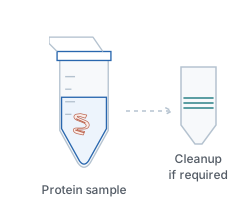
Evaluate solubility and interfering components; include cleanup when the method requires it.
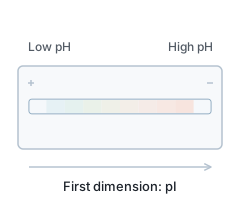
First dimension: isoelectric focusing (IEF) separates proteins by isoelectric point.
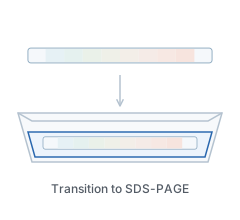
Prepare the focused strip for the second-dimension SDS-PAGE method.
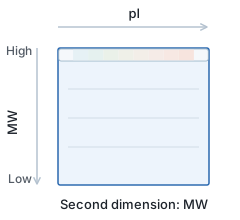
Second dimension: SDS-PAGE separates the focused proteins by molecular weight.
Conceptual sequence only. No gel results are shown. Preparation, focusing and gel conditions require method-specific validation.
Selection & validation
Treat the SB3 entries as candidates for a controlled sample-preparation study, with the final choice made against your electrophoresis method.
Products & support
Review the related SB3 identities and grades, then confirm the specification and documentation needed for your method-specific evaluation.
CAS 14933-08-5
Standard / Super (High Purity) / Ultimate (Cation Controled)
CAS 14933-09-6
Standard / Super (High Purity) / Ultimate (Cation Controled)
CAS 2281-11-0
Standard / Super (High Purity) / Ultimate (Cation Controled)
Include the sample source, focusing and gel methods, current preparation formulation, candidate material and required documentation. Ask about samples for evaluation without assuming a validated separation outcome.
Share the product, specification, or workflow you are evaluating.